

You might be 45 on your birth certificate, but inside your chest, your heart could be performing like a 60-year-old’s. This isn’t just a metaphor; it’s a physiological reality known as biological heart age. According to 2026 research from Northwestern University, the average American man’s heart is roughly 7 years older than his actual age, while for women, the gap is approximately 4 years.
This acceleration is caused by what experts call “lifestyle friction” the cumulative wear and tear from high cortisol levels, ultra-processed diets, and the silent “sitting disease.” When your heart ages prematurely, it loses elasticity, making it harder to pump life-sustaining oxygen to your cells.
On this article you will identify the 4 subtle heart health red flags that most people mistake for “just getting older.” You will learn the science of “vessel stiffness” and discover a doctor-approved 2025 protocol designed to rewind your heart’s clock and optimize your cardiovascular wellness.
The “Red Flags” You’re Mistaking for Just Getting Older

Many people ignore the early warning signs of an aging heart because they seem like minor inconveniences. However, 2025 clinical guidelines emphasize that these are often “check engine” lights for your circulatory system.
“Cardiac Fatigue” vs. Regular Tiredness: We all get tired after a long day. However, cardiac fatigue is different. It is an overwhelming exhaustion that doesn’t improve with rest. Dr. Mandeep Mehra of Mass General Brigham notes that when the heart is “stiff” or weak, it prioritizes sending blood to the brain and kidneys, leaving your muscles starved for oxygen. If simple tasks like grocery shopping leave you wiped out for hours, your heart may be aging faster than you.
The Ankle “Pitting” Test: If your ankles look puffy by 6:00 PM, don’t just blame the heat. Press your thumb firmly into the swollen area for 10 seconds. If a visible dent remains for more than 15 seconds (pitting edema), it’s a red flag that your heart isn’t efficiently pumping fluid back up from your lower extremities.
The 90-Second Stair Test: According to the European Society of Cardiology, your ability to climb four flights of stairs is a primary predictor of heart longevity.
Under 60 seconds: Your heart is likely “young” and resilient.
Over 90 seconds: This indicates suboptimal cardiac function and an increased risk of major cardiovascular events.
3 Habits Accidentally “Aging” Your Life
You might be “healthy” on paper, but these three hidden factors are the primary drivers of biological aging in the cardiovascular system.
1. The “Sitting Disease” & Left Ventricle Stiffness:
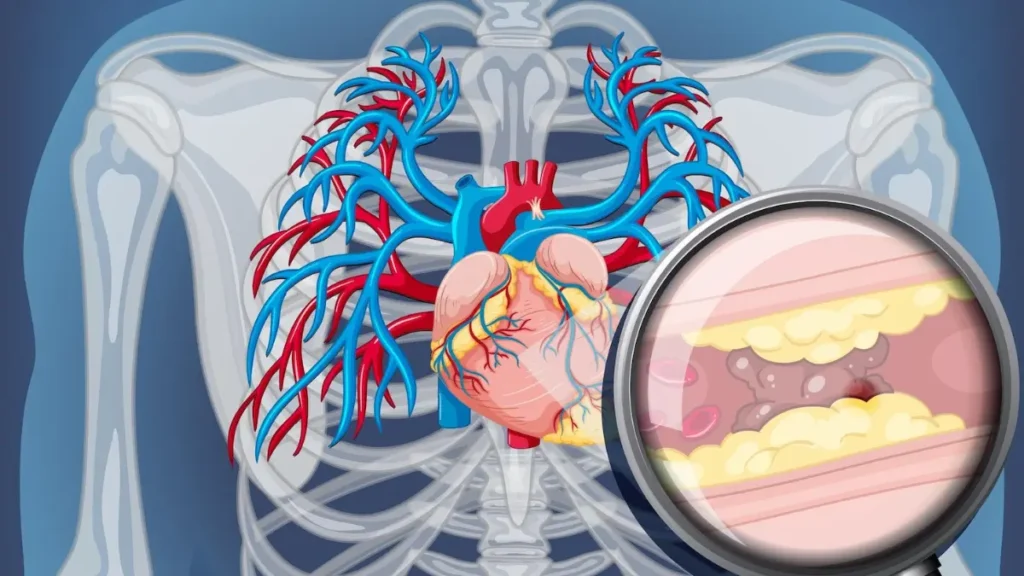
Sitting for 8+ hours a day does more than just hurt your back; it physically changes the heart. Research published in the Journal of the American College of Cardiology 2026 shows that prolonged inactivity causes the left ventricle the heart’s main pumping chamber to become stiff and less efficient. This “stiffening” is a hallmark of an aged heart.
2. The Sodium-Potassium Gap:
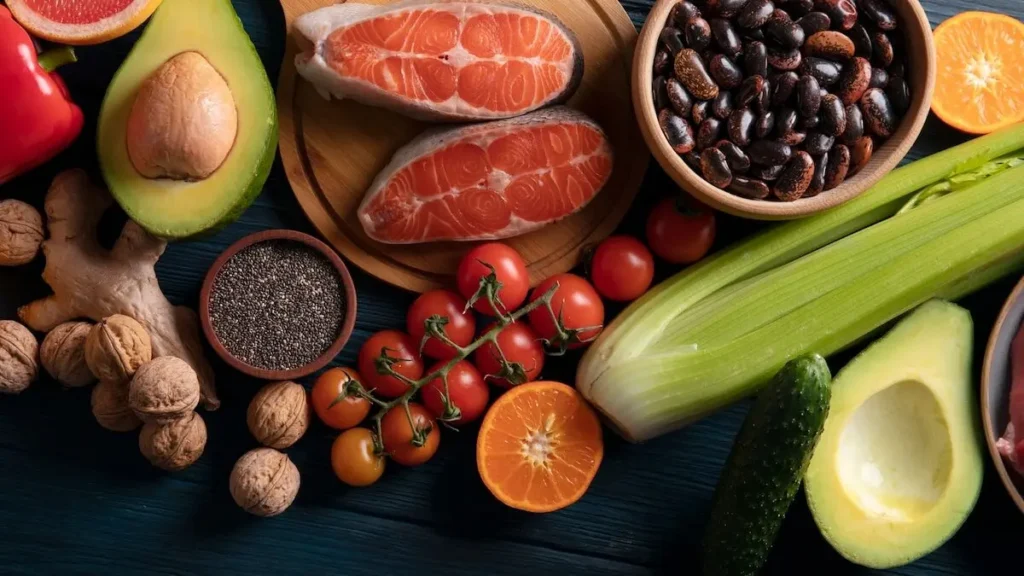
Most people focus only on cutting salt. However, 2026 nutritional science suggests the “gap” is the real killer. A lack of potassium (found in leafy greens and avocados) prevents your blood vessels from relaxing. Without enough potassium to balance sodium, your arteries remain under constant “pressure-aging,” essentially turning them from flexible rubber tubes into brittle pipes.
3. Circadian Disruption:

Your heart needs a “nightly dip.” Normally, your blood pressure should drop by 10-20% while you sleep to allow the cardiovascular system to repair itself. If you have irregular sleep patterns or late-night blue light exposure, your body stays in a “high-pressure” state 24/7, skipping this vital repair window and adding years of wear to your heart valves.
The “Heart Rewind” Protocol
The good news is that biological heart age is fluid. You can “rewind” the clock by adopting these high-impact, actionable strategies.

Zone 2 Training (The 150-Minute Rule): This is the “Goldilocks” zone of exercise brisk walking or light cycling where you can still hold a conversation but feel your heart rate rise. Zone 2 training specifically targets mitochondrial health in the heart muscle and has been shown to reverse arterial stiffness. Aim for 150 minutes per week to see measurable changes in your heart’s elasticity.
The 30g Fiber Threshold: Think of fiber as a “scrubbing brush” for your arteries. Current 2025 dietary research suggests that hitting 30 grams of fiber daily (specifically soluble fiber from oats, beans, and berries) can reduce “aging” LDL cholesterol by up to 10-15% without medication.
Micro-Stress Management (The Physiological Sigh): Chronic stress keeps your heart in a high-strain state. To lower your Heart Rate Variability (HRV) strain instantly, use the “Physiological Sigh”: take a deep double-inhale through the nose followed by a very long, slow exhale through the mouth. Doing this for just 2 minutes a day signals your nervous system to exit the “fight or flight” mode that ages your heart.
Beyond LDL: Tracking the “Invisible” Biomarkers of 2025
In 2026, a standard “cholesterol panel” is no longer considered the full picture. Relying solely on LDL-C is like checking the weight of a truck without counting how many trucks are actually on the road. To truly assess your biological heart age, modern medicine now looks at the “invisible” markers that standard tests miss.

Apolipoprotein B (ApoB): While LDL measures the mass of cholesterol, ApoB measures the actual number of plaque-forming particles. The American College of Cardiology (ACC) 2025 updates now formally recognize ApoB as a superior predictor of risk. You can have “normal” LDL but a high ApoB count, meaning you have many small, dense particles that easily penetrate arterial walls to form arterial plaque.
Lipoprotein(a) [Lp(a)]: Often called “sticky cholesterol,” this genetically determined marker is present in 1 in 5 people. Unlike standard LDL, it doesn’t respond to diet or exercise. Research presented at the European Atherosclerosis Society (EAS) in 2025 highlights that every nmol/L of Lp(a) confers a continuous risk of heart attack and stroke. High Lp(a) can increase the risk of an “early” heart event by up to 30%, even in otherwise healthy, active individuals.
Polygenic Risk Scores (PRS): This is the “frontier” of 2025 cardiovascular wellness. Research by Genomics PLC and the NHS shows that adding genetic risk data to traditional calculators (like the PREVENT tool) identifies millions of “invisible” patients who appear healthy but possess a high genetic predisposition for vessel stiffness.
The CKM Link: Why Your Metabolism is Your Heart’s Real Age
In 2025, the American Heart Association (AHA) has fully integrated the Cardiovascular-Kidney-Metabolic (CKM) Syndrome into clinical practice. This framework acknowledges that your heart doesn’t age in a vacuum; its health is inextricably linked to your blood sugar and kidney function.
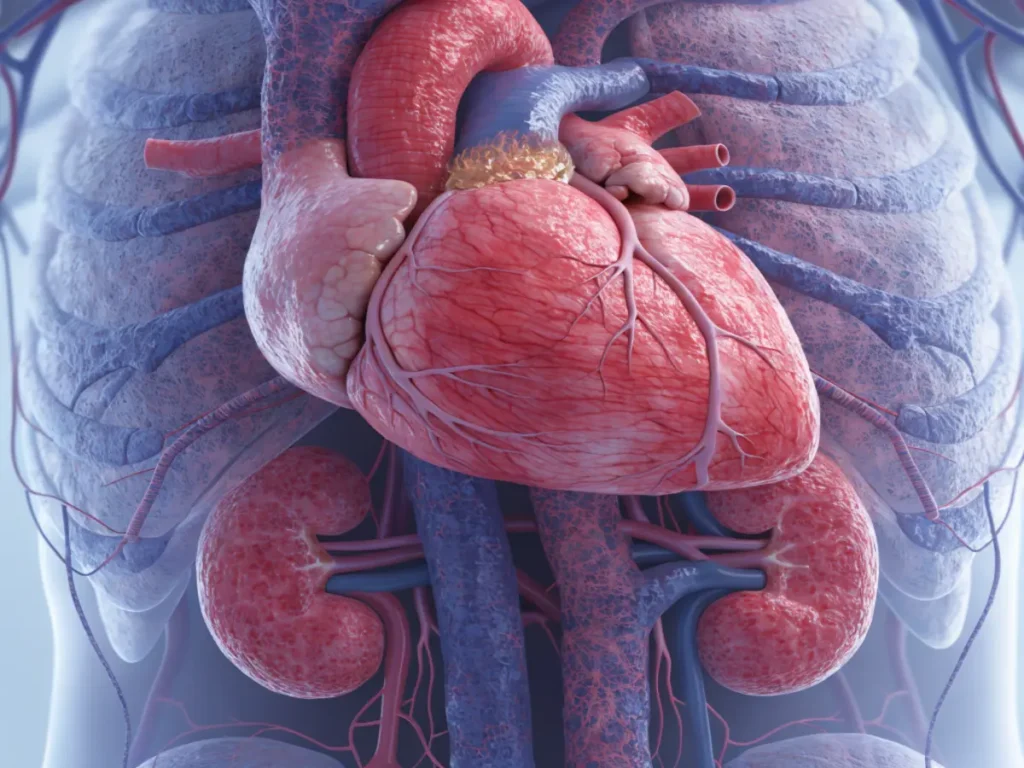
The Insulin-Heart Axis: Chronically elevated insulin causes a process called artery glycation. Think of this as “caramelizing” your blood vessels the sugar essentially bakes into the vessel walls, making them brittle and aged. MDPI 2025 research confirms that insulin resistance triggers a vicious cycle of oxidative stress and fibrosis, leading directly to ventricular stiffening.
The “Nightly BP Dip” & Kidney Health: Your kidneys and heart are a feedback loop. In healthy individuals, blood pressure “dips” by 10-20% at night to allow for cardiac repair. However, in those with early-stage CKM syndrome, this dip vanishes, leaving the heart under 24/7 strain.
GLP-1 Breakthroughs (The SUMMIT Trial): New data from the SUMMIT trial (ACC 2025) reveals that GLP-1 and GIP agonists (like tirzepatide) do more than just help with weight loss. They reduced systemic inflammation measured by hsCRP by a staggering 38.8%. This suggests these medications are effectively “cleaning” the metabolic waste that ages cardiac cells at a microscopic level.
Conclusion
The Science of Heart Age Reversal
Evidence-Based Timeline for Cardiovascular Rejuvenation
Average reduction in cardiovascular risk with lifestyle intervention
Months to see measurable improvements in heart age biomarkers
Years of biological age reduction possible with sustained intervention
Of heart disease is preventable through modifiable risk factors
“The heart has an extraordinary capacity for regeneration when given the right conditions. We’ve seen patients reduce their biological heart age by a decade or more through targeted interventions.”
Your Heart Rejuvenation Timeline
First Month
Blood pressure stabilization, improved endothelial function, initial inflammation reduction
Three Months
Significant cholesterol improvements, enhanced VO2 max, measurable arterial flexibility gains
Six Months
Reduced arterial plaque progression, normalized metabolic markers, improved heart rate variability
One Year
Documented heart age reduction, optimized cardiac output, sustainable cardiovascular resilience
Your biological heart age is a dynamic metric, not a life sentence. As we’ve explored, the “red flags” of accidental aging—from the subtle puffiness in your ankles to the way you catch your breath on a flight of stairs are your body’s way of requesting a course correction. By moving beyond basic cholesterol tests to track 2025’s “invisible” biomarkers like ApoB and addressing the metabolic CKM link, you take the guesswork out of your longevity.
The most important takeaway is that your heart is remarkably resilient. Through consistent Zone 2 training, metabolic mindfulness, and precision testing, you have the power to reverse heart aging and close the gap between your chronological years and your physical vitality. Don’t wait for a “check engine” light to become a breakdown; start your “Heart Rewind” protocol today.