
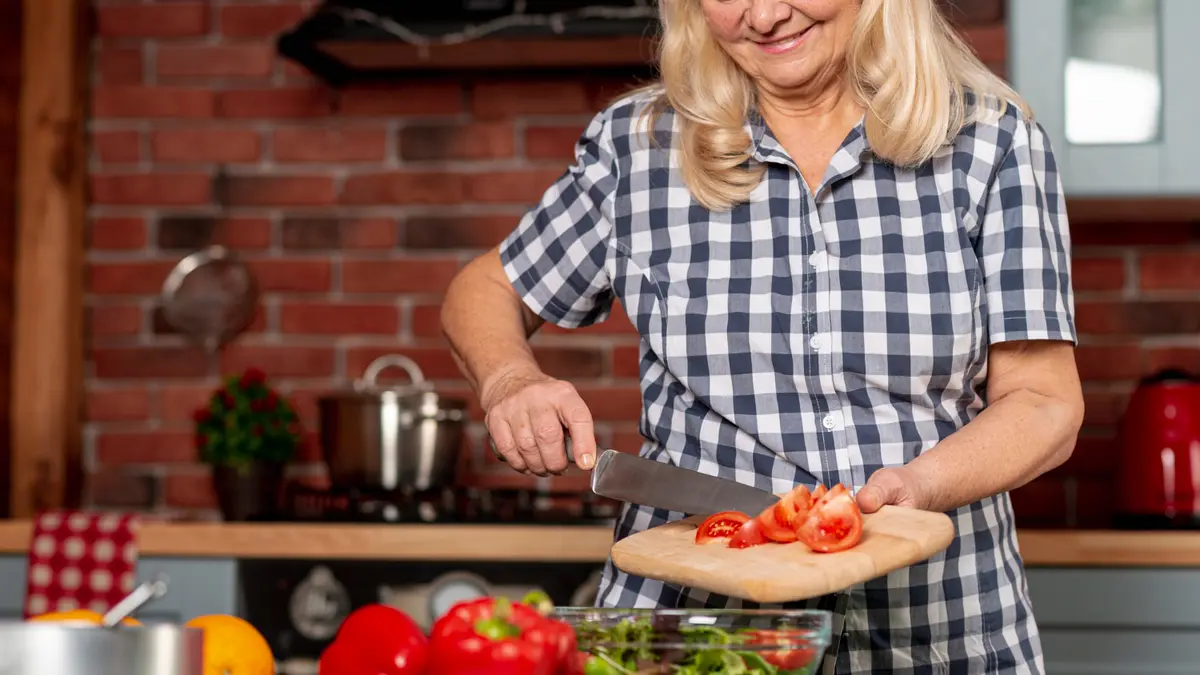
You’ve probably heard this before: Cooking destroys nutrients. Maybe a friend said it. Maybe you read it online. So you started eating raw salads and skipping the stove, just to be safe. But here’s the thing. That advice is only half true. Some vegetables are healthier when you cook them. Others are better raw.
And the cooking method you use matters just as much as whether you cook at all. You know exactly which vegetables to cook, which ones to eat raw, and the best way to cook them so you keep as many nutrients as possible. No guessing. No conflicting advice. Just clear answers you can use tonight.
The Short Answer: It Depends on the Vegetable
There is no one-size-fits-all answer here. And anyone who tells you always eat raw or always cook your veggies is leaving out a big part of the story. Vegetables contain different types of nutrients. Some nutrients survive heat just fine. Others get destroyed by it.
Some nutrients are actually locked inside the vegetable’s cell walls, and cooking is the only thing that breaks those walls open so your body can absorb them. Helen Rasmussen, a senior research dietitian at Tufts University, put it plainly: There are pluses and minuses to cooking vegetables. And once you know which vegetable falls into which category, you’ll stop overthinking it.
Here’s a quick overview before we go deeper:
| Vegetable | Eat It | Why |
|---|---|---|
| Tomatoes | Cooked | Releases up to 171% more lycopene |
| Carrots | Cooked | More beta-carotene your body can use |
| Spinach | Cooked | Removes acid that blocks iron and calcium |
| Broccoli | Raw or lightly steamed | Boiling kills cancer-fighting compounds |
| Bell peppers | Raw | High Vitamin C is destroyed by heat |
| Kale | Raw or lightly steamed | Antioxidants drop fast when boiled |
| Garlic | Raw | Heat destroys the active compound inside |
| Mushrooms | Grilled or microwaved | Both methods increase antioxidants |
| Cabbage | Stir-fried | Quick stir-fry actually boosts good compounds |
| Potatoes | Cooked | Provides 30% of your daily Vitamin C |
These Vegetables Are Actually Better for You When Cooked
This is probably the most surprising part. Some vegetables give your body more nutrition after you cook them, not less.
Tomatoes
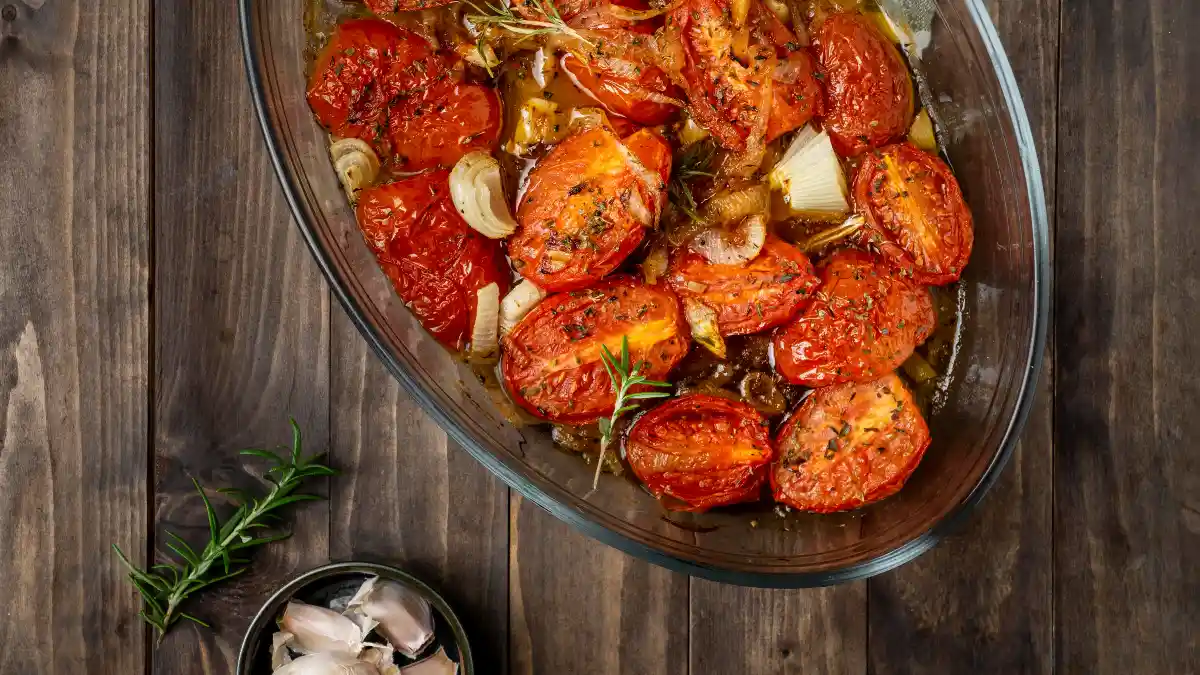
Raw tomatoes are fine. But cooked tomatoes are better. Scientists at Cornell University found that cooking tomatoes for 15 minutes increased a nutrient called lycopene by 171%. Lycopene is a powerful antioxidant. It gives tomatoes their red color, and research links it to a lower risk of certain cancers and heart disease.
Lycopene is trapped inside the tomato’s cell walls. Heat breaks those walls open. Once they’re open, your body can absorb the lycopene much more easily. And there’s a bonus tip. Cooking your tomatoes in olive oil makes them even better. One study published in PubMed found that tomatoes cooked with olive oil increased lycopene in the blood by.
82%, compared to tomatoes cooked without oil. That’s a big difference for something as simple as adding a drizzle of olive oil to your pan. Tomato sauce, tomato paste, and canned tomatoes all count. You don’t need to do anything fancy.
Carrots
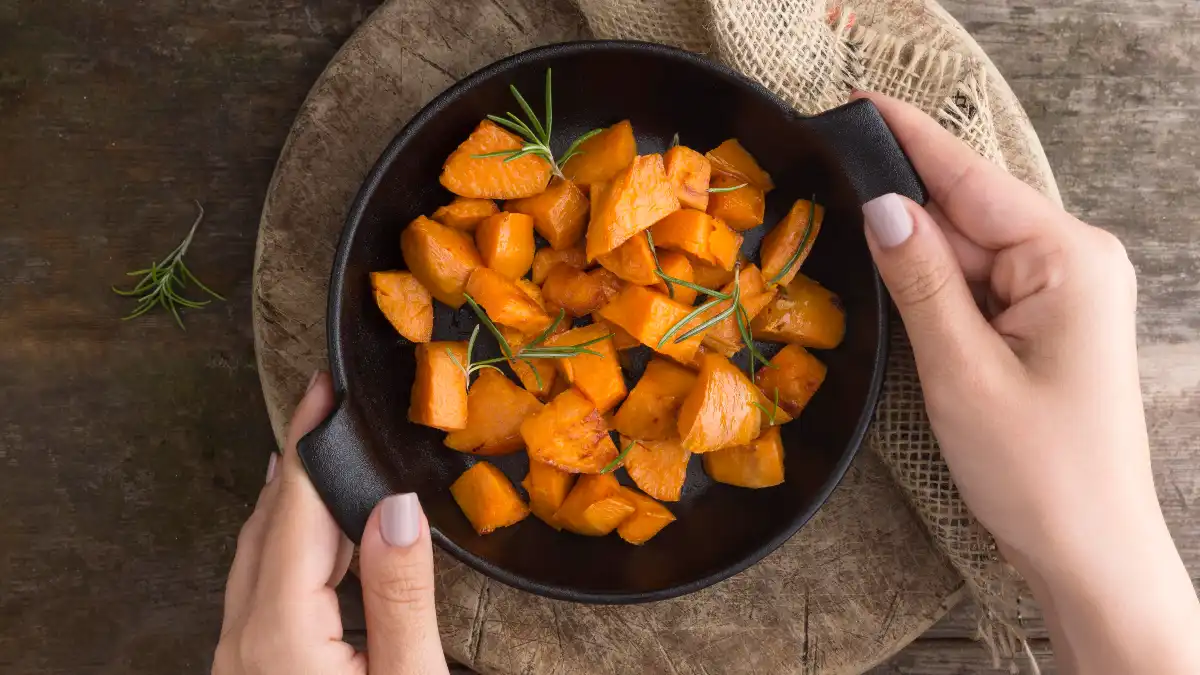
Raw carrots are crunchy and great for snacking. But cooked carrots give your body more beta-carotene. Beta-carotene is what your body converts into Vitamin A. Vitamin A helps your eyes, your immune system, and your skin. Cooking softens the cell walls in carrots, which lets the beta-carotene out. Your body absorbs more of it.
Spinach
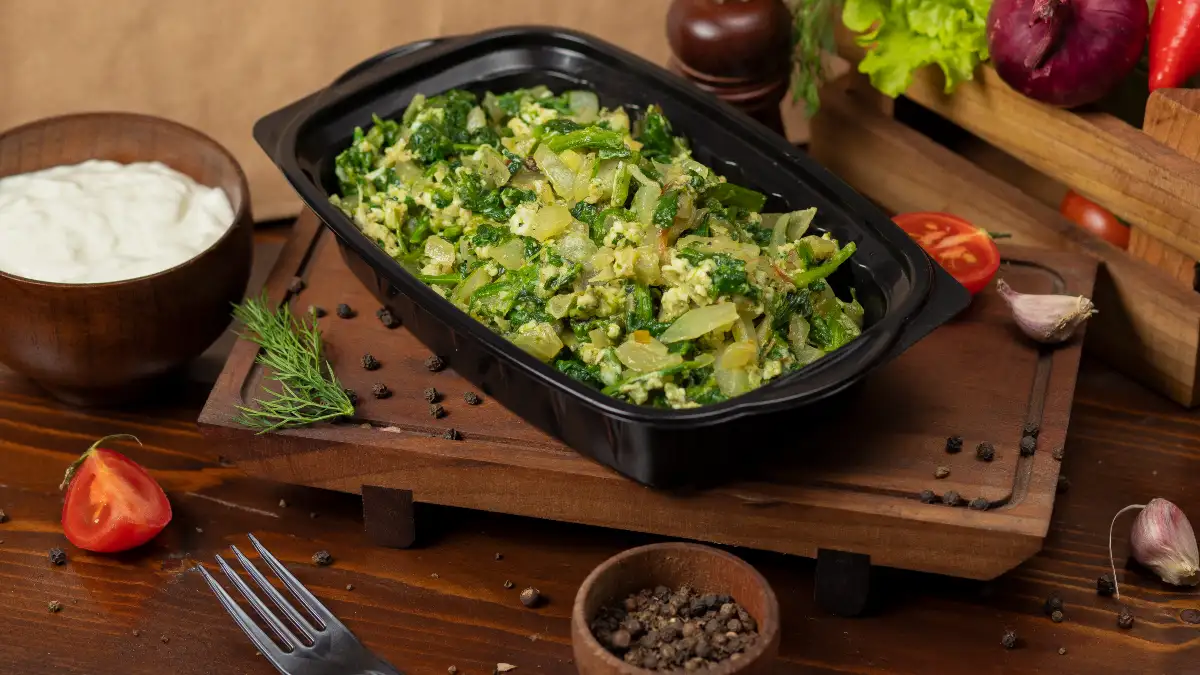
Raw spinach in a salad looks healthy. And it is. But here’s something most people don’t know. Raw spinach contains oxalic acid. That acid binds to iron and calcium in the spinach and blocks your body from absorbing them.
Cooking spinach breaks down that acid. So when you eat cooked spinach, you actually get more calcium and iron from it than you do from the raw version. The Vitamin C goes down a little. But the mineral absorption goes up.
Asparagus and Potatoes
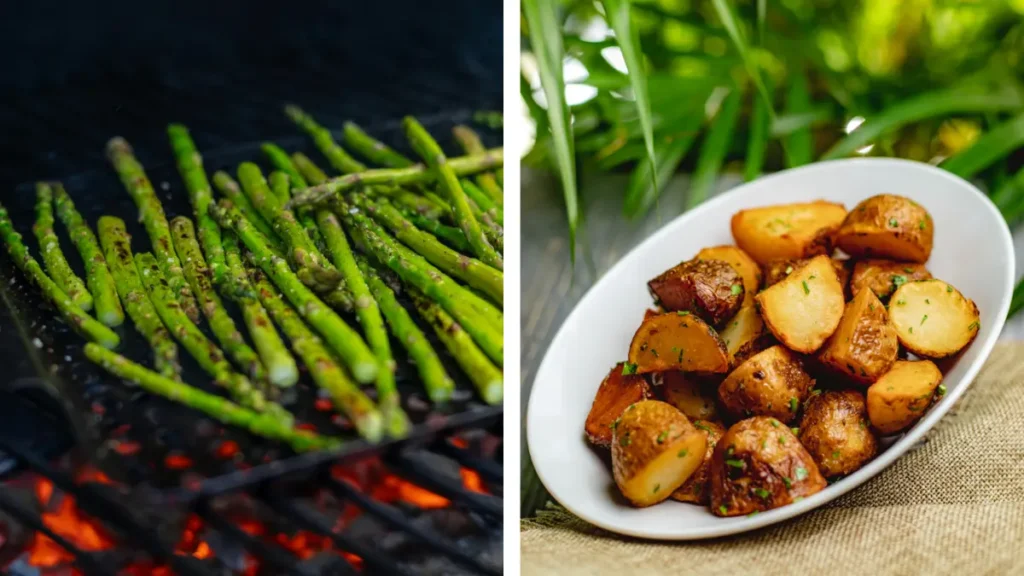
Cooking asparagus increases its antioxidant levels. And a 100-gram serving of cooked potato gives you about 30% of your daily Vitamin C and 20% of your daily Vitamin B6. That’s solid nutrition from a food many people write off as unhealthy.
These Vegetables Are Better for You Raw
Raw isn’t always worse. For some vegetables, heat is the enemy. It kills the very thing that makes them worth eating.
Broccoli
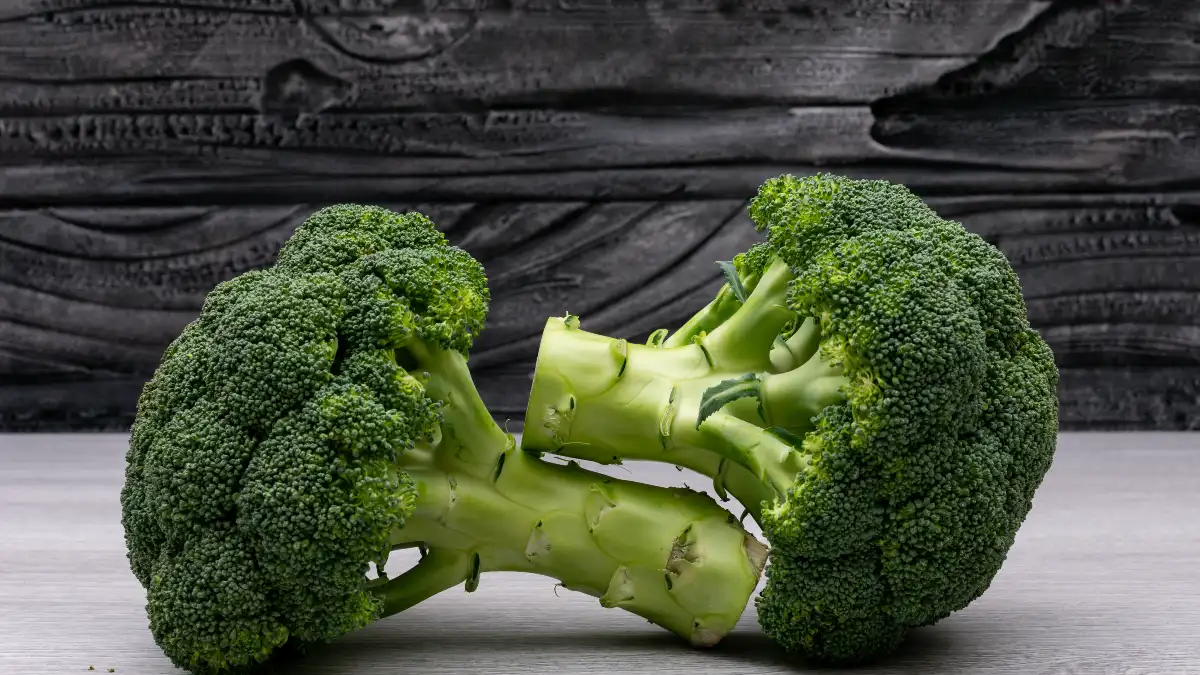
Broccoli is one of the most talked-about healthy vegetables. And for good reason. It contains powerful compounds called glucosinolates. These compounds have been studied for their role in fighting cancer cells. Boiling broccoli destroys glucosinolates fast. A review of more than 100 studies found that the longer you boil broccoli in water, the more of these compounds you lose.
By the time your broccoli is soft and waterlogged, a huge portion of that benefit is already gone. Eat broccoli raw, or steam it for just 2 to 3 minutes. That’s enough to soften it slightly while keeping most of the good stuff intact.
Bell Peppers
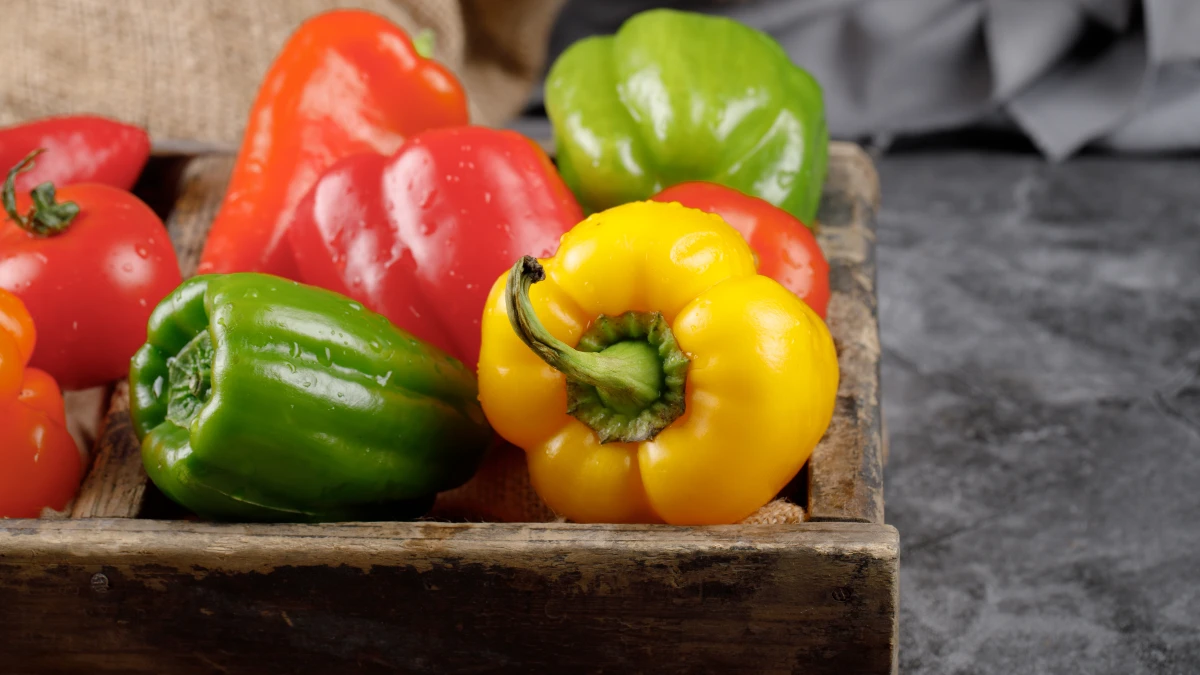
Bell peppers are one of the highest natural sources of Vitamin C you can eat. But Vitamin C is sensitive to heat. It dissolves in water and breaks down when exposed to high temperatures. Boiling a bell pepper can destroy up to 30% of its Vitamin C. Eat them raw as snacks, in salads, or sliced with hummus.
Kale and Leafy Greens
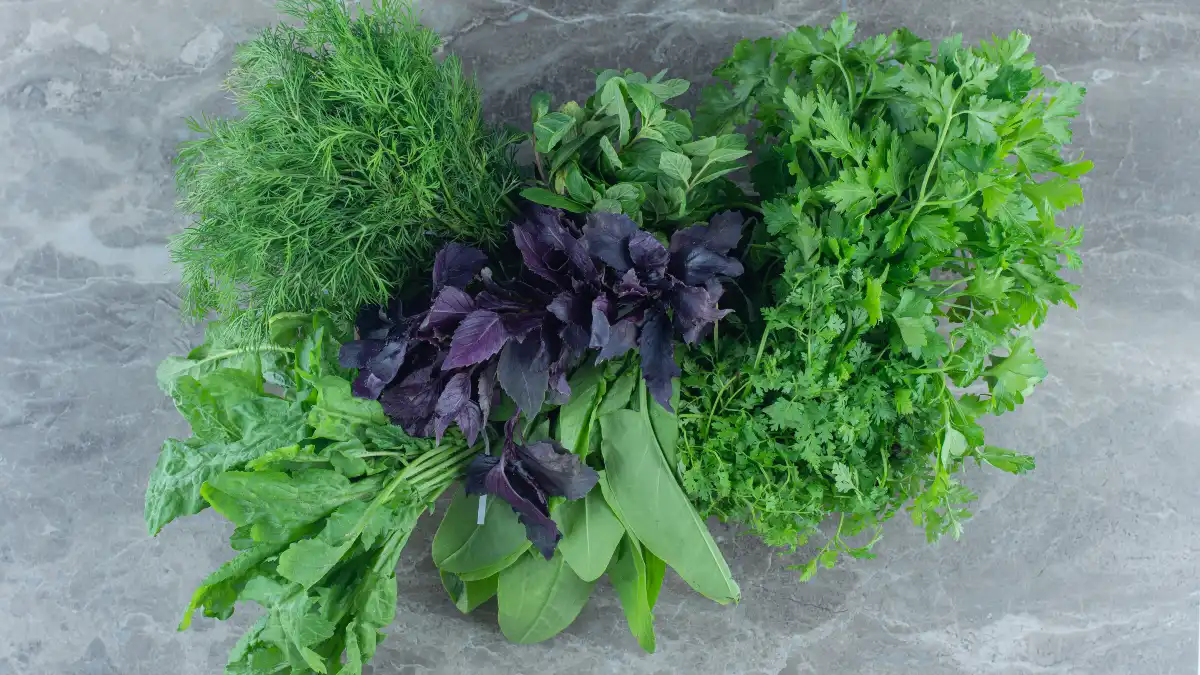
Kale has become very popular. Raw kale in a smoothie or salad keeps its antioxidants and Vitamin C mostly intact. Boiling it in water causes those nutrients to leach out into the cooking water, which you then pour down the drain.
Jeffrey Blumberg, a research professor at Tufts University’s Friedman School of Nutrition Science, recommends eating kale and similar greens raw. If you do cook them, steam or sauté briefly.
Garlic
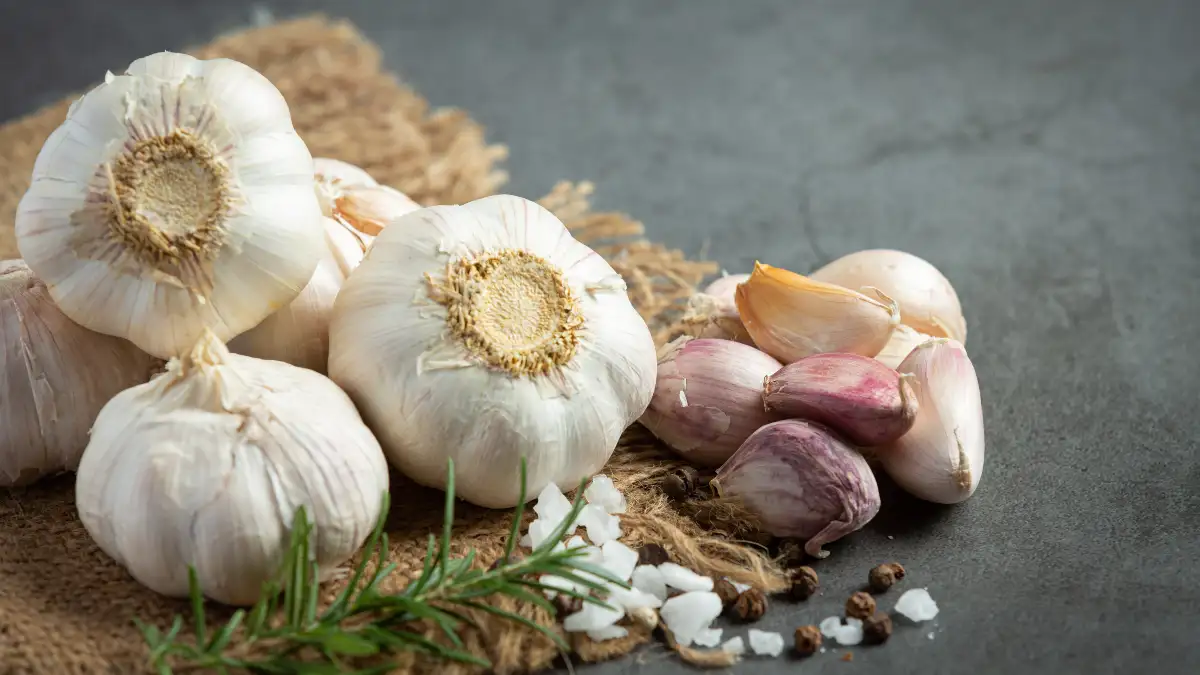
Raw garlic contains a compound called allicin. Allicin is antibacterial and has been linked to immune support. Heat destroys it quickly. Here’s a practical tip. Crush or chop your garlic and let it sit for 10 minutes before cooking. This activates the allicin first.
Then, when you cook it, some of the benefits are already inside the garlic cells and harder to destroy. But for the full effect, raw garlic in dressings or dips is your best option.
Onions
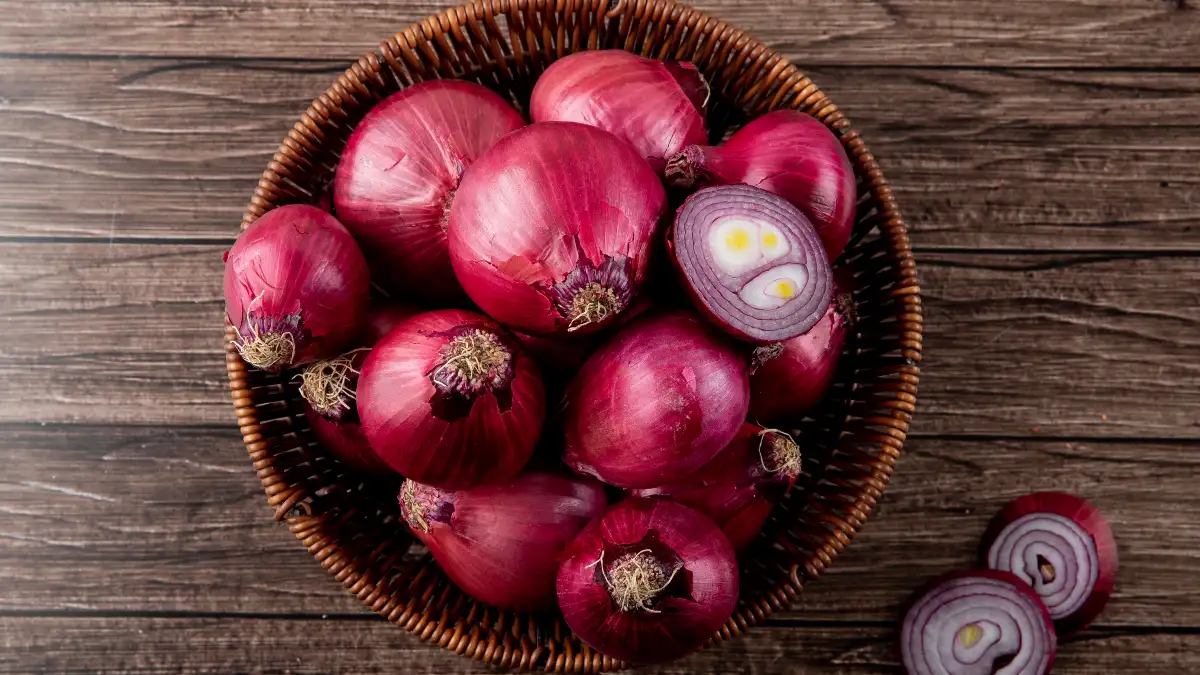
Raw onions contain quercetin. Quercetin is an anti-inflammatory compound. Cooking onions reduces quercetin significantly. If you can handle raw onion, use it in salads and salsas.
The Best Way to Cook Vegetables (Ranked #1 to #6)
Even when cooking helps, the method you use makes a huge difference. Some methods preserve nutrients. Others destroy them. Here’s the honest ranking.’
#1 — Steaming (Best)
Steaming is the best cooking method for vegetables. Dozens of studies back this up. When you steam vegetables, they don’t sit in water. That means the water-soluble vitamins stay in the vegetable instead of leaching out into the pot.
Steam broccoli for 2 to 3 minutes. Steam kale for under 4 minutes. Cover the pot to cut cooking time and avoid overcooking.
#2 — Microwaving
This surprises most people. Microwaving is actually one of the best methods for preserving nutrients. The reason is simple. Cooking time is short. Less time on heat means less nutrient loss.
Studies show that microwaving green vegetables causes less Vitamin C loss than most other cooking methods. Don’t overcook them. Two to three minutes is usually enough.
#3 — Stir-frying
Quick, high heat with a small amount of oil. This works well for many vegetables. The oil also helps your body absorb fat-soluble vitamins like Vitamin A, D, E, and K. One study found that stir-frying Chinese cabbage actually increased its beneficial compounds compared to raw.
Keep the stir-fry moving fast. You want color and slight tenderness, not mush.
#4 — Roasting
Roasting causes some nutrient loss from the dry heat. But it makes vegetables taste really good. And here’s why that matters. When food tastes good, you eat more of it. Eating more vegetables, even slightly less nutrient-dense ones, beats eating fewer vegetables that are perfectly optimized but boring.
Roast at moderate temperatures (around 200°C / 400°F) and don’t overcook.
#5 — Pressure Cooking
Pressure cooking is interesting. Research is limited compared to other methods. One study found that pressure-cooked black beans had six times the antioxidant levels of boiled beans. But for Vitamin C in spinach, pressure cooking for 10 minutes still destroys about 90% of it. It’s better than long boiling, but not as good as steaming.
#6 — Boiling (Worst)
Boiling is the worst method for most vegetables. When you boil vegetables in water, water-soluble vitamins, such as Vitamin C and B vitamins, and plant compounds called flavonoids, leach into the water. Then you drain the water and throw those nutrients away.
If you do boil vegetables, save the water. Use it in soups, stews, or sauces. The nutrients are in there.
3 Simple Rules That Cover Most Situations
You don’t need to memorize all of this. These three rules will get you most of the way there.

Rule 1: Steam or microwave when you can. These two methods preserve the most nutrients across almost every vegetable. Get a cheap steamer basket. It takes five minutes and makes a real difference.
Rule 2: Eat broccoli, peppers, kale, and garlic raw or barely cooked. These vegetables lose the most to heat. Raw is better. A quick steam is fine. Long boiling is the worst thing you can do to them.
Rule 3: Always cook tomatoes and carrots. These two vegetables get more nutritious with heat. Cook your tomatoes in olive oil for the biggest benefit. Roast or boil your carrots.
You Don’t Have to Choose One Side
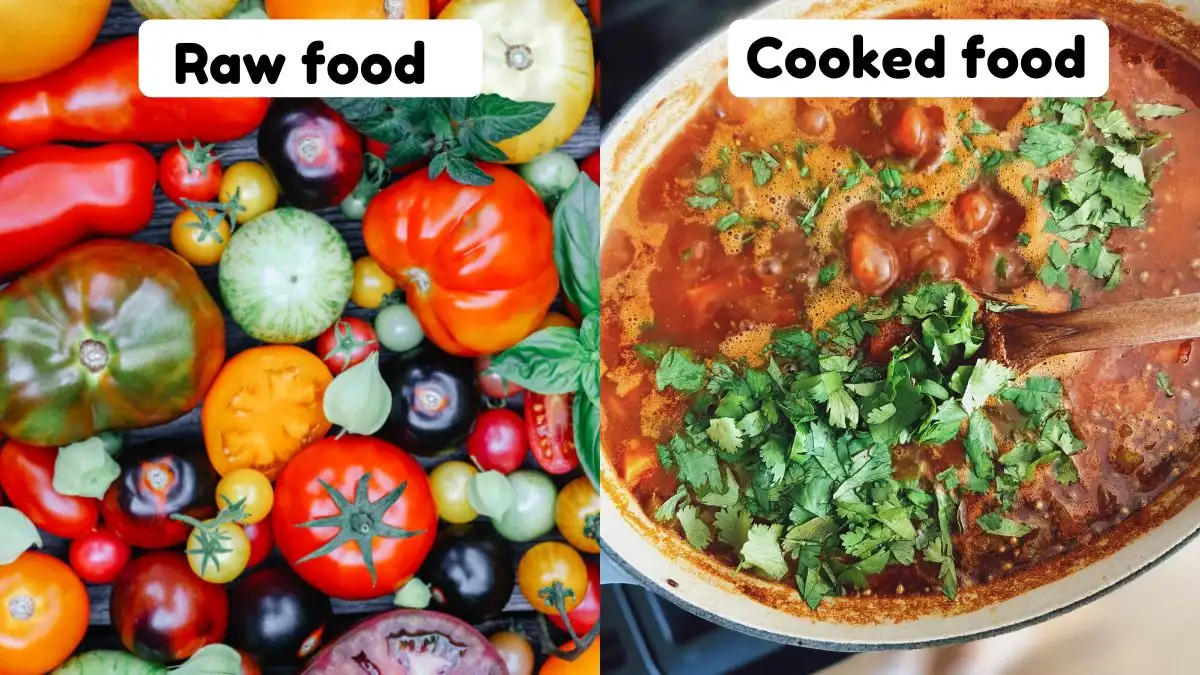
The raw food crowd says cooking kills everything. The cooking crowd says raw food is hard to digest. Both are partially right. The truth is simpler. Eat a variety. Eat some vegetables raw. Cook others. And when you cook, use the right method. As Rui Hai Liu, a food scientist at Cornell University, put it: We cook them so they taste better. And when food tastes better, you eat more of it.
Eating more vegetables is the real goal here, not obsessing over tiny nutrient differences. Jeffrey Blumberg at Tufts University said it best: Eat a variety of vegetables and enjoy them raw or cooked to vary the nutrients your body receives. That’s the whole point. Eat more vegetables. Mix up how you prepare them. And stop worrying so much about doing it perfectly.
Conclusion
You don’t need to overhaul your diet. Just pick one thing from this article and try it. If you usually boil broccoli, steam it instead for 3 minutes. If you eat raw tomatoes on everything, try cooking them in a pan with olive oil once this week.
If you roast carrots, keep doing it; you’re already doing the right thing. Small changes add up. And now you know exactly which ones are worth making.
⚠️MEDICAL DISCLAIMER
This article is for informational purposes only. It does not replace medical advice, diagnosis, or treatment. The information covers lycopene absorption, beta-carotene and Vitamin A conversion, oxalic acid and mineral absorption (iron and calcium), Vitamin C retention, glucosinolates and anti-cancer compounds, allicin in garlic, antioxidant levels, and cooking methods.
Individual results vary based on age, health status, and fitness level. Before changing your exercise routine, diet, or supplement use, talk to your doctor or a qualified health professional first. If you experience chest pain, dizziness, severe joint pain, or any sudden symptom during or after exercise, stop immediately and seek medical care.