

You went to bed at 10 pm. You slept eight hours. So why do you feel like you barely rested? Most people over 50 blame age. They think tired mornings are just part of getting older. But that’s not always the full story. Your bedroom might be the real problem.
After 50, your body becomes much more sensitive to the room you sleep in. A small temperature change. A blinking LED. A partner who tosses and turns. Any of these can pull you out of deep sleep without you ever fully waking up.
The damage is invisible. You don’t feel it happen. But your body misses the repair work it needed overnight. This article shows you exactly what’s going wrong in your bedroom. And it gives you simple, low-cost fixes you can start tonight.
Why Sleep Gets Harder After 50 — And Why Your Room Matters More Now?
Your sleep changes as you age. That’s a fact. But the change isn’t just biological; your environment makes it worse. After 50, you spend less time in deep sleep. That’s the stage where your body repairs muscles, releases hormones, and clears waste from your brain.
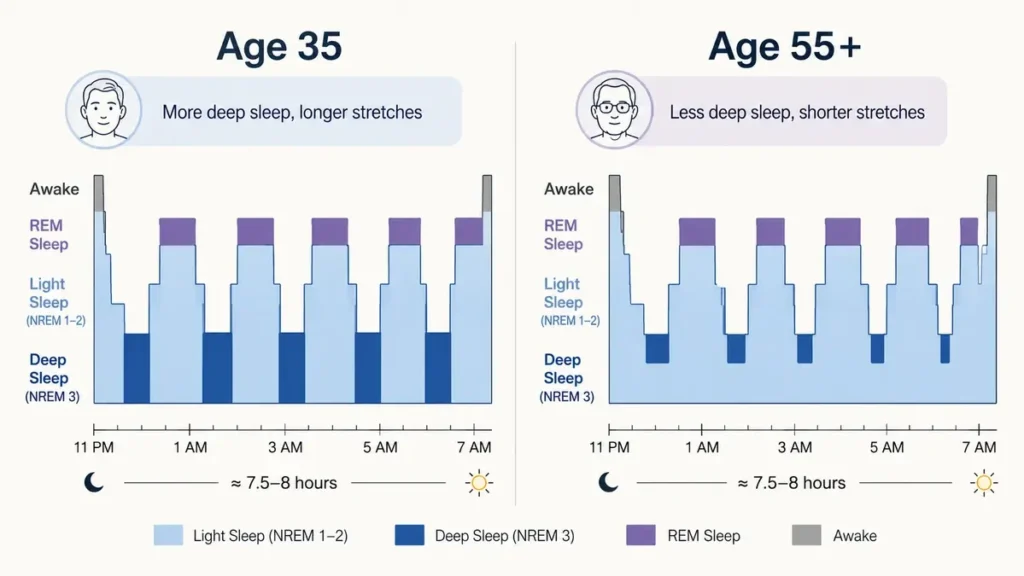
When that stage gets cut short, you wake up tired, no matter how many hours you logged. Older adults are much lighter sleepers. Things that didn’t bother you at 35: a faint noise, a slightly warm room, a blinking light now pull your brain into lighter sleep stages.
You don’t fully wake up. But you lose the deep recovery you needed.
Many of these cases have environmental causes, not just biological ones. That means your bedroom setup may be doing more damage than your age.
The Temperature Problem: Is Your Room Too Warm at Night?
This is the most common bedroom mistake. And most people have no idea it’s happening. Your body needs to lower its core temperature to fall into deep sleep.
If your room is too warm, that cooling process gets blocked. You stay in lighter sleep stages all night and wake up exhausted.
A major study tracked 50 older adults (average age 79) over 18 months. It collected over 11,000 nights of sleep data.
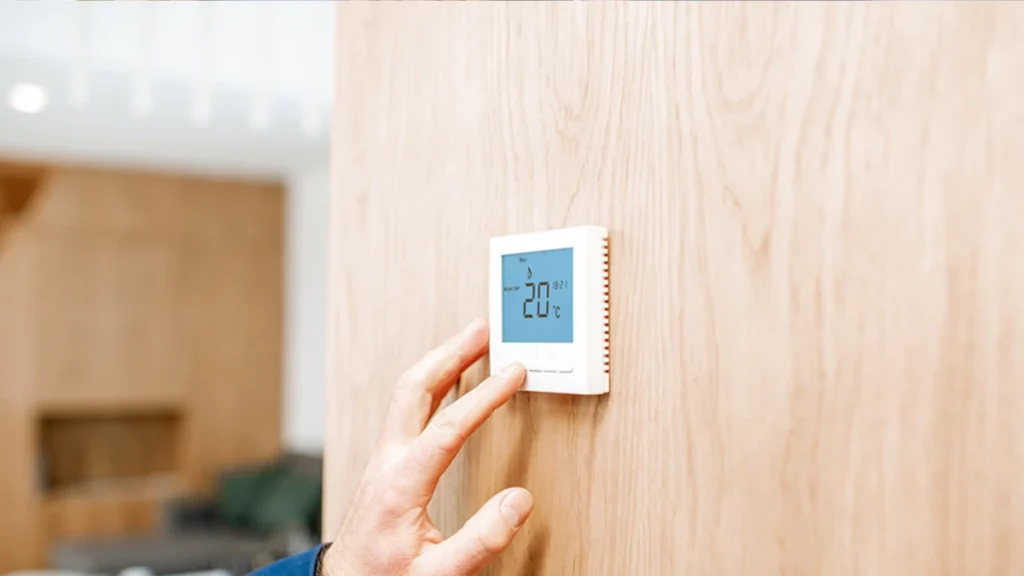
The result was clear: sleep was most efficient at bedroom temperatures between 68°F and 77°F (20°C–25°C). When the room got warmer than that, sleep efficiency dropped by 5 to 10%.
And researchers noted that this drop felt as damaging as chronic pain or late-night drinking. A separate 2025 study of adults aged 65 and older found that hot bedroom nights directly harmed heart rate recovery during sleep. That matters for long-term heart health.
What to do tonight:
- Set your thermostat to 68–72°F (20–22°C) before bed
- Swap a heavy duvet for a lighter, breathable one
- If your partner runs hotter or colder than you, try the Scandinavian method — two separate lightweight duvets on the same bed
The Light Leak Problem: What’s Glowing in Your Bedroom Right Now?
Go into your bedroom tonight after dark. Close your eyes for 10 seconds. Then open them. Count everything glowing. The TV standby light. The router. The alarm clock. The phone charger. The strip of streetlight under the curtain.
Most bedrooms have more artificial light than people realise.
Here’s why that matters after 50. Your body uses darkness as a signal to release melatonin, the hormone that triggers deep sleep. Even small amounts of light at night suppress that release.
And older adults already produce less melatonin than they did at 30. So any extra light suppression hits harder.
A 2025 study measured the difference. Under blue light, melatonin levels were 7.5 pg/mL after two hours. Under red light, they recovered to 26.0 pg/mL. That’s a massive gap, and it directly affects how deep your sleep.
What to do:
- Get blackout curtains or a blackout liner for existing curtains (~$20–40)
- Cover all LED standby lights with electrical tape (costs less than $5)
- Charge your phone in another room
- If you need a nightlight for bathroom trips, use a red or amber bulb, not a white one
The Clutter Factor: Why a Messy Bedroom Is Keeping You Awake
Your bedroom isn’t just where you sleep. It’s where your brain decides whether to switch off. When there’s a pile of laundry in the corner, a work laptop on the chair, and yesterday’s mail on the nightstand, your brain sees signals that say there’s still stuff to deal with.
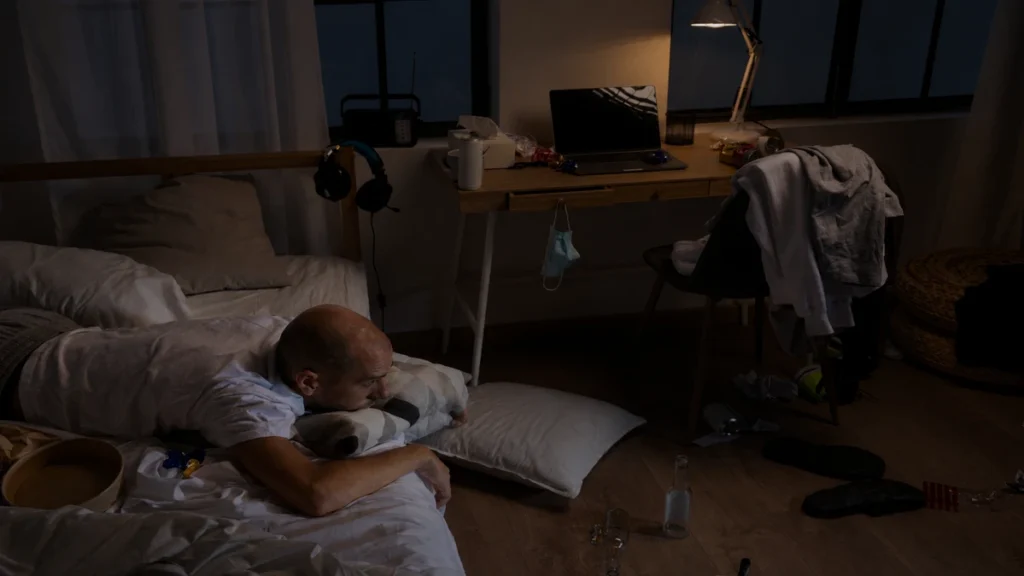
That keeps the nervous system slightly activated. And a slightly activated nervous system does not go into deep sleep easily. This isn’t just theory.
Research consistently links cluttered bedrooms with higher pre-sleep anxiety and lower sleep quality. The bedroom needs to signal one thing: rest.
This is an easy fix that costs nothing.
What to do:
- Remove any work items from the bedroom entirely
- Clear visible surfaces before bed, even a quick tidy makes a difference
- Keep the room visually simple and calm
- If you work from home and your bedroom doubles as an office, use a room divider or screen to separate the sleep space visually
The goal is to walk into your bedroom and feel your shoulders drop. Not tighten.
The Partner Problem: When Sleeping Together Is Hurting Both of You
This is the section most people skip. Don’t.
One in three American couples now sleep separately some or all of the time, according to a 2025 American Academy of Sleep Medicine survey of over 2,000 adults. The most common reasons are snoring, different temperature needs, and one partner tossing and turning.

One-third of couples say their partner’s snoring regularly interrupts their sleep. Twenty per cent of women say it happens every single night. But here’s what the research also shows.
A 2025 study of 860 older couples in Taiwan found that those sleeping in completely separate rooms reported lower happiness and life satisfaction than those sharing a space. So it’s not black and white.
The best approach is a middle path.
Options to try, in order:
- Two separate lightweight duvets on the same bed (the Scandinavian method) solves temperature conflict without separation
- An anti-snore pillow or positional therapy for the snoring partner
- Separate beds in the same room, you stay close but sleep undisturbed
- If snoring is severe, get it checked; it may be sleep apnea, which is treatable
Sleep expert Dr Wendy Troxel calls this a sleep alliance. The goal is for both of you to sleep well, not sleeping apart.
Conclusion
Poor sleep after 50 is not inevitable. Most of the time, your bedroom is making it worse, and your bedroom is fixable. Tonight, do one thing: check your thermostat and cover one LED. That’s a real start.
⚠️MEDICAL DISCLAIMER
This article is for informational purposes only. It does not replace medical advice, diagnosis, or treatment. The information covers insomnia symptoms, deep sleep, muscle repair, hormone release, melatonin production, bedroom temperature, heart rate recovery, heart health, light exposure, pre-sleep anxiety, sleep quality, snoring, and sleep apnea.
Individual results vary based on age, health status, and fitness level. Before changing your exercise routine, diet, or supplement use, talk to your doctor or a qualified health professional first. If you experience chest pain, dizziness, severe joint pain, or any sudden symptom during or after exercise, stop immediately and seek medical care.